Family tree of Alec DOUGLAS-HOME Geneastar
Table of Content
Douglas-Home’s emergence as the new leader of the Conservative Party attracted some claims that Macmillan had worked to make sure ‘The Magic Circle’ deny Rab Butler the leadership, but Reginald Maudling had also been a strong candidate. Even so, he rejected his peerage on 23 October 1963 and became Sir Alec Douglas-Home. On 7 November he contested and won the constituency of Kinross and West Perthshire – but for the 2 weeks in between he was a Prime Minister who belonged to neither the House of Commons nor the House of Lords. In 1959, the Conservative Party under Harold Macmillan won the General Election. He remained in the role until 18 October 1963, when Macmillan suddenly resigned due to a prostate condition that was exacerbated by the Profumo Affair.
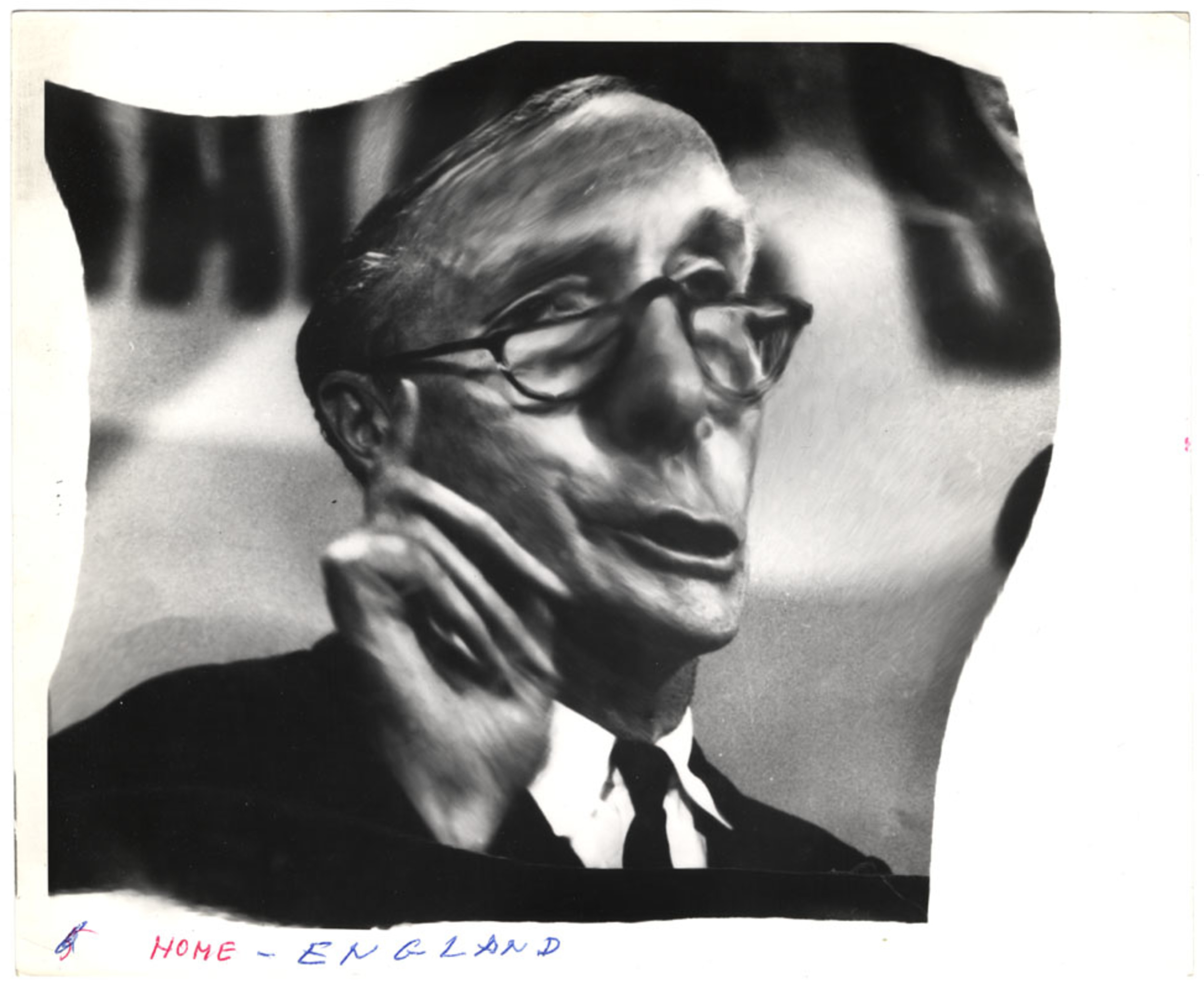
Home, in partnership with Edward Heath, the newly appointed ‘Lord Privy Seal’ and the deputy foreign secretary, worked well, despite their different backgrounds. Home served as an official parliamentary private secretary to junior minister Anthony Muirhead from the ‘Ministry of Labour’ in 1935 and later to Neville Chamberlain, the Chancellor of the Exchequer. A former peer as Prime Minister was open to attack, and Douglas-Home was attacked by the Labour Party leader Harold Wilson. He said that nobody from Douglas-Home's background knew the problems of ordinary families. In particular, Wilson asked how "a scion of an effete establishment" could lead the technological revolution which was needed.
Postwar and House of Lords (1945–
Despite this, Sir Alec Douglas-Home concentrated heavily on winning the next election and as a result he narrowed the Labour lead in the opinion polls. At the February 1974 general election the Heath government was narrowly defeated. Douglas-Home, then aged 70, stepped down at the second election of that year, called in October by the minority Labour government in the hope of winning a working majority.
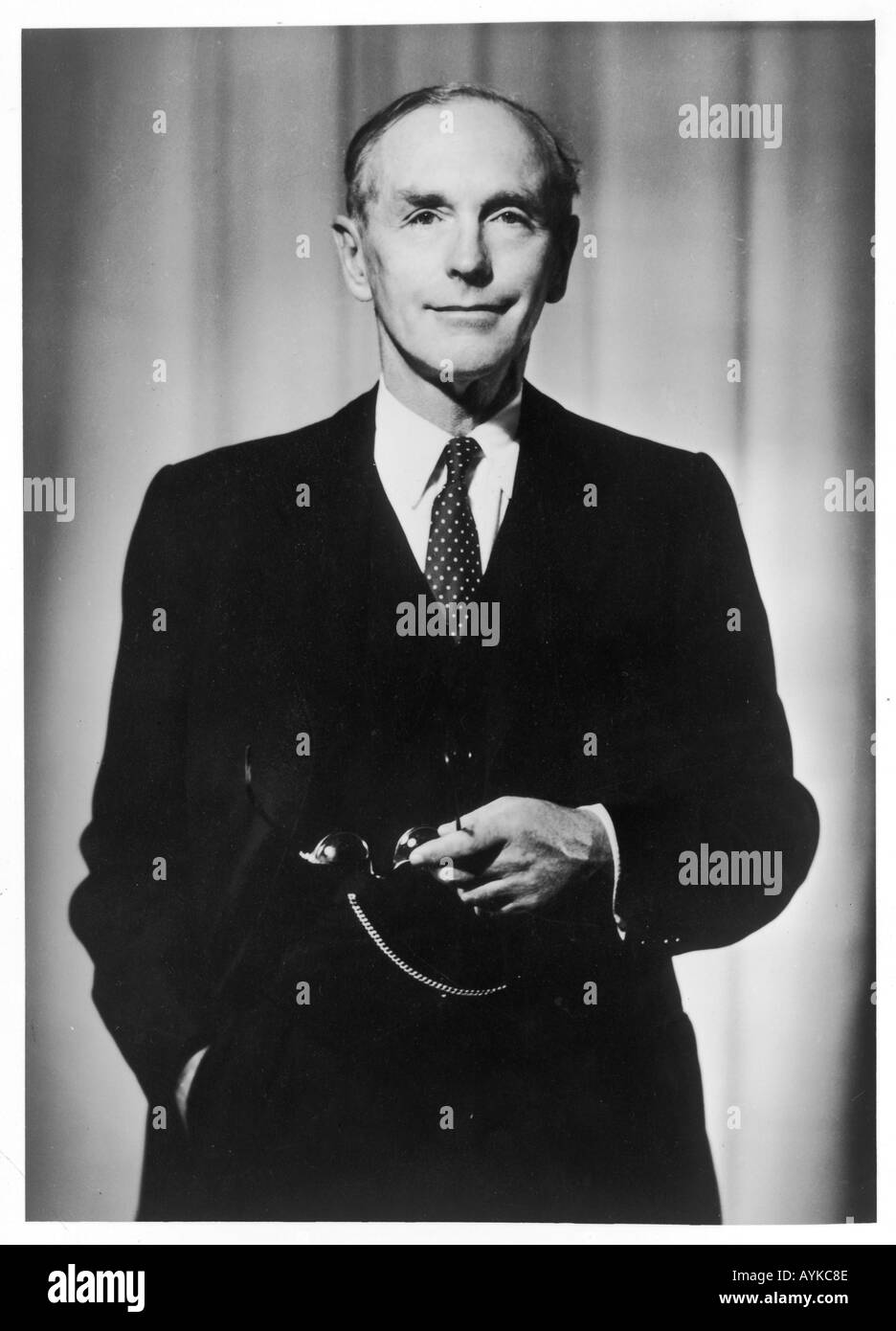
As Chamberlain's aide Dunglass witnessed at first-hand the Prime Minister's attempts to prevent a second world war through appeasement of Adolf Hitler's Germany. When Chamberlain had his final meeting with Hitler at Munich in September 1938, Dunglass accompanied him. Having gained a short-lived extension of peace by acceding to Hitler's territorial demands at the expense of Czechoslovakia, Chamberlain was welcomed back to London by cheering crowds. Ignoring Dunglass's urging he made an uncharacteristically grandiloquent speech, claiming to have brought back "Peace with Honour" and promising "peace for our time". These words were to haunt him when Hitler's continued aggression made war unavoidable less than a year later. Chamberlain remained prime minister from the outbreak of war in September 1939 until May 1940, when, in Dunglass's words, "he could no longer command support of a majority in the Conservative party".
Politics
However, if they intended to export their views to other parts of the world, Home intended to stand against it. Sir Alec Douglas-Home and his wife Elizabeth arrive at Church House, Westminster, London, for the election of the new Conservative Party leader, 11th... But Mr Reginald Maudling regarded as one of the main contenders for the leadership of the Conservative... Alec Douglas-Home , Lord Dunglass, the parliamentary aide to Neville Chamberlain, and Sir Archibald Sinclair , arrive at 10 Downing Street following... Press Conference held by Prime Minister Edward Heath at the Conservative Party Head Office in Smith Square ahead of the General Election. Estimated delivery dates - opens in a new window or tab include seller's handling time, origin ZIP Code, destination ZIP Code and time of acceptance and will depend on shipping service selected and receipt of cleared payment.
With Skelton's support Dunglass secured the Unionist candidacy at Coatbridge for the 1929 general election. It was not a seat that the Unionists expected to win, and he lost to his Labour opponent with 9,210 votes to Labour's 16,879. It was, however, valuable experience for Dunglass, who was of a gentle and uncombative disposition and not a natural orator; he began to learn how to deal with hostile audiences and get his message across.
More explanations about Modern Britain
Using the Peerage Act 1963, which had only been passed earlier in the same year after Tony Benn's campaign to renounce his peerage, Home disclaimed his Earldom and other peerages on 23 October 1963. For the next two weeks he belonged to neither House of Parliament, a very unusual occurrence for a sitting Prime Minister. As "Sir Alec Douglas-Home", he contested and won a by-election in the safe seat of Kinross & West Perthshire. Thorpe observes that if this provision had remained a condition of disclaiming his earldom in 1963, thus preventing his son from inheriting the title in due course, Home would not have gone ahead and would not have become Prime Minister. In east-west relations, Douglas-Home continued his policy of keeping the Soviet Union at bay. In September 1971, after receiving no satisfactory results from negotiations with Gromyko about the flagrant activities of the KGB in Britain, he expelled 105 Soviet diplomats for spying.
Close was dropped after using delaying tactics when captaining Yorkshire in a county match, but the move was widely seen as biased towards cricketers from the old amateur tradition, which had officially ended in 1963. In 1955 he had been the obvious successor to Churchill, but this time there was no clear heir apparent. Leaders of the Conservative party were not elected by ballot of MPs or party members, but emerged after informal soundings within the party, known as "the customary processes of consultation". Only one cabinet colleague supported Butler; the rest, including Home, opted for Macmillan. For all of Dunglass's humour and patience, the following two years were a grave trial.
Join millions of people in learning anywhere, anytime - every day
Stuart, previously an influential chief whip, was a confidant of Churchill, and possibly the most powerful Scottish Secretary in any government. Thorpe writes that Home owed his appointment to Stuart's advocacy rather than to any great enthusiasm on the Prime Minister's part (Churchill referred to him as "Home sweet Home"). In addition to his ministerial position Home was appointed to membership of the Privy Council , an honour granted only selectively to ministers below cabinet rank. Dunglass succeeded him, inheriting the title of Earl of Home together with the extensive family estates, including the Hirsel, the Douglas-Homes' principal residence. The new Lord Home took his seat in the Lords; a by-election was called to appoint a new MP for Lanark, but it was still pending when Attlee called another general election in October 1951. The Unionists held Lanark, and the national result gave the Conservatives under Churchill a small but working majority of seventeen.
Home stepped down as the prime minister after 12 months of service and accepted his inefficiency as a leader. In July 1943, Home returned to the ‘House of Commons’ as a backbencher of the parliament and eventually came to be known for his expertise in dealing with foreign affairs. Home was a Member of Parliament and a junior official when Neville Chamberlain went to Munich to meet Adolf Hitler in 1938.
His premiership was ended by the general election of 1964, which put in the Labour Party with Harold Wilson as Prime Minister. The safe Conservative seat of Kinross and Western Perthshire was vacant, and Douglas-Home was adopted as his party's candidate. Parliament was due to meet on 24 October after the summer recess, but its return was postponed until 12 November pending the by-election. For twenty days Douglas-Home was Prime Minister while a member of neither house of Parliament, a situation without modern precedent. When he was chosen as Leader of the Conservative Party after Harold Macmillan retired, he knew it would be difficult to lead a government from the House of Lords. Finally, after he lost the election of 1964, he was given a life peerage, titled 'Baron Home of the Hirsel'.
Wilson's small majority after the 1964 general election had made the transaction of government business difficult, and in 1966 he called another election in which Labour gained a strong working majority of 96. Some older members of Heath's team, including Lloyd, retired from the front bench, making room for members of the next generation. Heath moved Maudling to the foreign affairs portfolio, and Douglas-Home took over Lloyd's responsibilities as spokesman on Commonwealth relations.


Comments
Post a Comment